








Do women need a different protein powder?
Short answer: no. 'Women's protein' is a marketing category, not a nutritional one. Muscle protein synthesis works the same way in women as in men. The protein itself in a 'women's blend' is chemically identical to a standard WPC or WPI.
What might actually differ between women and men: caloric needs (often lower), preferred serving sizes (typically smaller), and palatability preferences (flavours tend to skew sweeter in women's ranges). None of these require a separate product.
Be sceptical of 'women's protein' products that charge a premium for extra vitamins, collagen, or 'hormone support' ingredients. These additions are rarely evidence-based and often exist to justify a higher price point on what is otherwise standard whey protein.
How much protein do women actually need?
The same evidence applies to women as men: 1.6–2.2 g of protein per kg of bodyweight per day to support muscle maintenance and growth. The absolute grams will be lower for a lighter person, but the ratio is the same.
For a 60 kg woman that's 96–132 g of protein per day. If your diet provides 70–80 g from food, one or two serves of protein powder covers the gap.
Older women (50+) may benefit from the higher end of the range, muscle-protein synthesis response to protein declines with age, and adequate intake becomes more important to prevent muscle loss.
- 60 kg woman: 96–132 g protein/day target.
- 70 kg woman: 112–154 g protein/day target.
- Active and training: lean toward the higher end.
- Sedentary or light activity: 1.2–1.6 g/kg is sufficient.
A 2017 systematic review (Morton et al.) found protein requirements for muscle building did not significantly differ between males and females when matched for training volume and body mass.
What to look for when buying protein powder as a woman
The same criteria apply regardless of gender: high protein per serve (≥20 g), low sugar (under 5 g), low fat (under 3 g), and a reasonable calorie count for the protein delivered.
Serve size matters more for women who want to avoid extra calories. A WPI with 30 g protein per serve might be split into two half-serves. If you typically want 15–20 g protein per serve, choose a product with smaller scoop sizes or adjust accordingly.
Flavour quality matters significantly for consistency, if you don't enjoy the taste, you won't take it consistently. WPI naturally has a lighter, less sweet profile than WPC blends. Vanilla and chocolate are safest bets for palatability.
- WPI: highest protein per calorie, best for calorie-conscious goals.
- WPC: slightly lower protein, often creamier texture, lower cost.
- Plant protein: fine for vegans, pea + rice blends hit a reasonable amino profile.
- Collagen: NOT a substitute for whey or plant protein. Collagen is low in key amino acids (especially leucine) and is ineffective for muscle building at typical doses.
Should women take collagen protein?
Collagen has genuine evidence for skin, joint, and connective tissue support. It does NOT have meaningful evidence for muscle building, the amino acid profile is simply wrong for that purpose (very low leucine, which is the primary driver of muscle protein synthesis).
If you want to support skin and joints, a collagen supplement is reasonable. If you want to build or preserve muscle, use whey or a complete plant protein. They serve different purposes and shouldn't be confused.
If you want both: take collagen for skin/joint support AND a small serve of whey for muscle. They're not interchangeable, don't sacrifice one for the other.
Best value picks for women in 2026
Any high-quality WPI priced under 6¢/g protein is exceptional value. Check our live WPI leaderboard, the cheapest option changes week to week as retailers run specials.
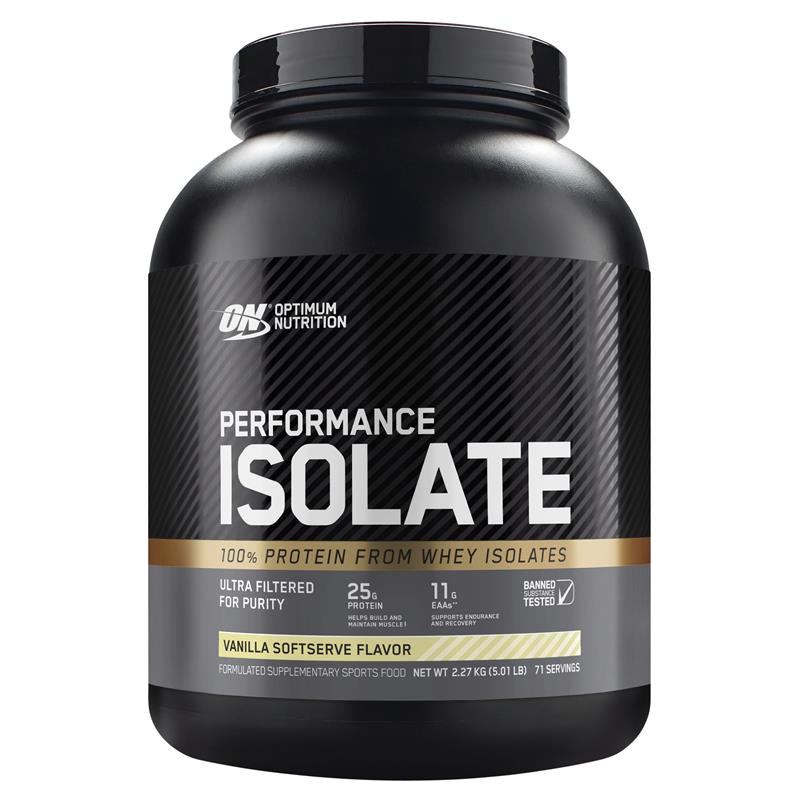
For smaller serves: True Protein, Bulk Nutrients, and Optimum Nutrition all offer 1 kg WPI options at competitive prices. A 1 kg bag costs less upfront and is worth trying before committing to 2–3 kg.
- WPI is the single best choice: high protein, low calories, versatile.
- Avoid 'women's formula' premiums, they're not earning that price difference.
- Collagen is a separate product for a separate purpose, not a protein powder substitute.
- Check our leaderboard for the cheapest WPI in Australia this week.
Frequently asked questions
Can women use regular protein powder, not a women's formula?
Will protein powder make women bulky?
Is protein powder safe during pregnancy?
What is the best protein powder for women who want to lose weight?
rel="sponsored" tags where applicable. See our methodology.