








Why plant protein needs more thought than whey
Whey has the full amino acid profile you need for muscle baked in. Single-source plant proteins generally don't, pea is low in methionine, rice is low in lysine. That's why almost every decent plant powder is a blend.
If you eat plant-based, your single biggest concern is amino-acid completeness. Your second concern is digestibility, pea isolate is much easier on the gut than soy protein concentrate, for example.
The plant blend formula that works
Look for a blend with at least pea + rice as the two main ingredients. Pea is high in lysine and BCAAs; rice is high in methionine. Together they're effectively complete.
Hemp is a nice add (omega-3s, fibre, complete profile) but tends to be expensive. Quinoa, sacha inchi, and pumpkin seed are upmarket additions, fine if you want them, not necessary.
- Two-source minimum: pea + rice covers the amino gap.
- Three+ source blends are a 'better' but with diminishing returns.
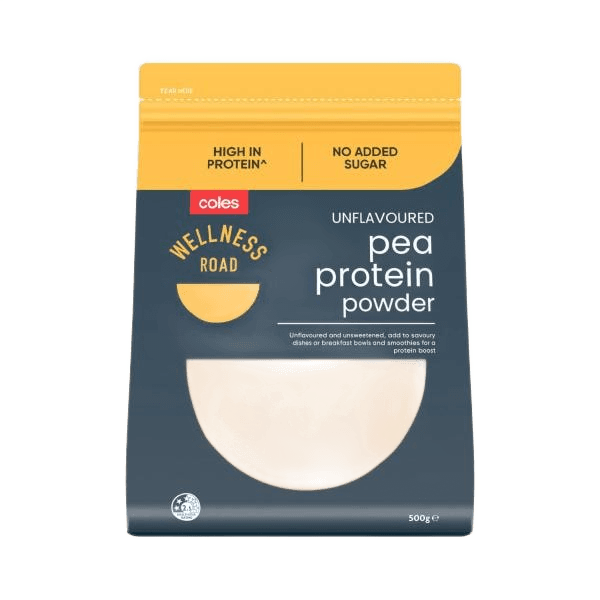
- Avoid pure pea or pure rice powders as your main protein.
What we'd actually buy in Australia
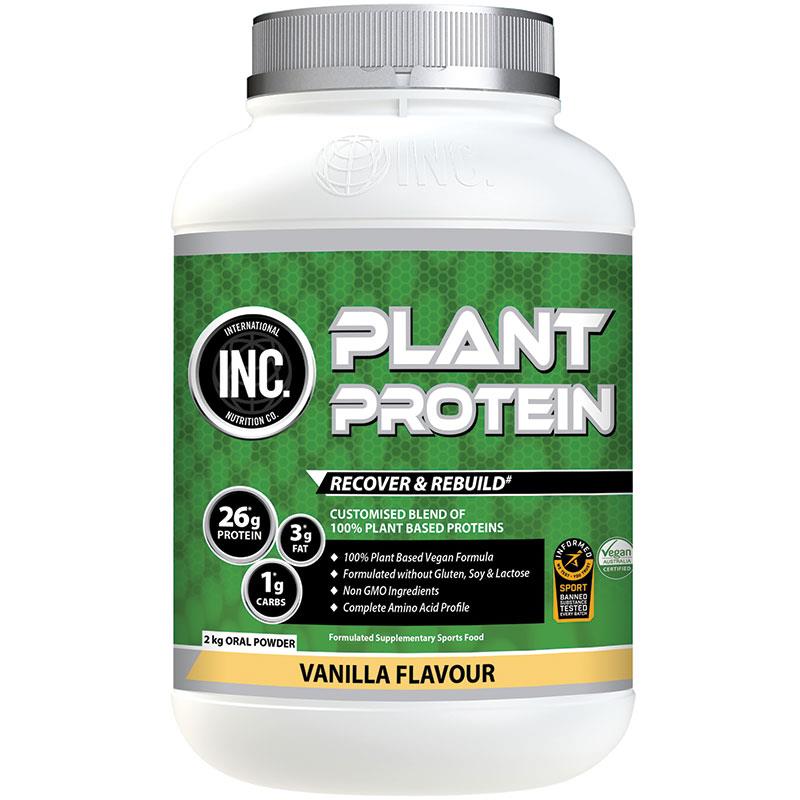
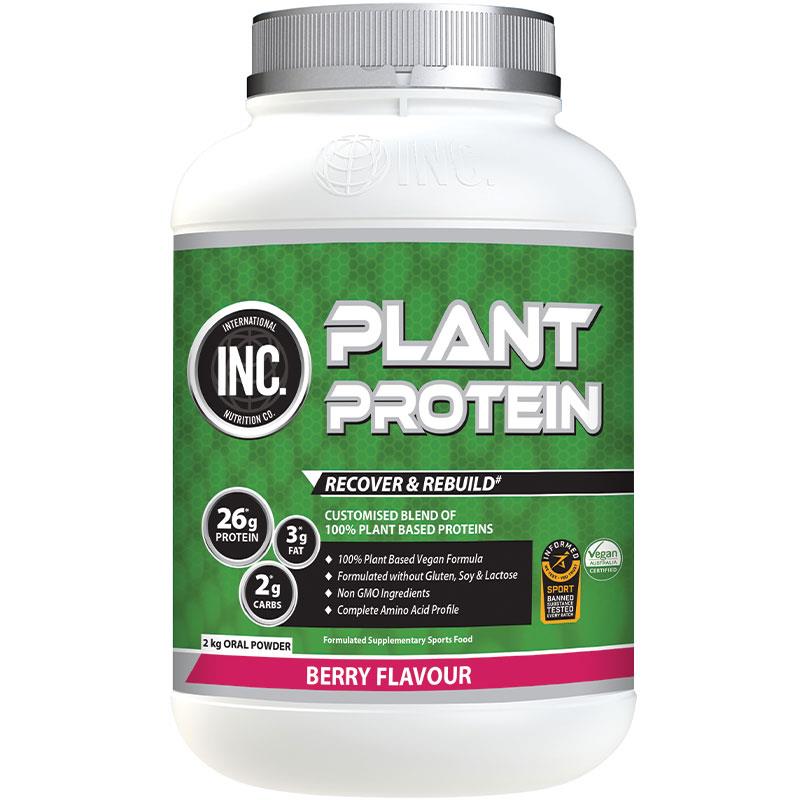
Macro Mike, PranaOn, Happy Way, and White Wolf Nutrition dominate the Aussie plant-protein shelf. All four make blends with a sensible aminoo profile. Pricing varies a lot by sale, track the live leaderboard.
Avoid most 'lifestyle' plant proteins (the ones marketed primarily on aesthetic packaging), they almost always have lower protein density and higher sugar than the gym-focused options.
Common plant-protein mistakes
Drinking it neat. Plant proteins almost always taste better blended with banana, oat milk, or in a smoothie than mixed with water.
Buying pure soy as your only protein. Soy works but isolates anything but cheap soy concentrate at supermarket prices is heavily processed and often a worse mouthfeel.
Assuming 'plant-based' means high quality. There's plenty of low-protein, high-sugar 'plant protein' on the market. Same per-100 g rule applies.
rel="sponsored" tags where applicable. See our methodology.